IESBA Publishes New Guidance to Support Implementation of Standards on External Experts and Sustainability Assurance
The International Ethics Standards Board for Accountants (IESBA) today released two new staff publications to enhance understanding and support global adoption and implementation of its ethics standard on Using the Work of an External Expert as well as th

The International Ethics Standards Board for Accountants (IESBA) today released two new staff publications to enhance understanding and support global adoption and implementation of its ethics standard on Using the Work of an External Expert as well as the International Ethics Standards for Sustainability AssuranceTM (including International Independence StandardsTM) (IESSATM), both of which are effective from December 2026. These publications explain key aspects of the standard related to using the work of an external expert and the proportionality of the ethics and independence provisions for sustainability assurance in the IESSA.
This publication is relevant to all professional accountants, whether in business or in public practice, and sustainability assurance practitioners (SAPs). It provides answers to common questions on:
- Evaluating whether to use the work of an external expert
- How to identify an external expert
- The extended requirements for evaluating the objectivity of an external expert in the context of an audit or other assurance (including sustainability) engagement
- Concluding an external expert’s competence, capabilities and objectivity
- Potential threats arising from using the work of an external expert
- Specific considerations related to the IESSA
Access other resources relating to this standard on the IESBA Experts Page.
This publication highlights key aspects of the IESSA that illustrate its proportionality, while the IESSA also provides a robust global ethics and independence baseline for sustainability assurance engagements (SAEs). The proportionality of the IESSA enables it to support the performance of SAEs for entities of all sizes, thereby underpinning public trust in those engagements.
The publication is especially geared towards facilitating the implementation of the IESSA by SAPs that are small and medium practices (SMPs).
Access other resources relating to the IESSA on the IESBA Sustainability Focus Page.
Both publications may also be helpful to jurisdictional standard setters, regulators and oversight bodies, professional accountancy organizations, educational bodies, and other stakeholders.
About IESBA
The International Ethics Standards Board for Accountants (IESBA) is an independent global standard-setting board. The IESBA’s mission is to serve the public interest by setting high-quality, international ethics (including independence) standards as a cornerstone to ethical behavior in business and organizations, and to public trust in financial and non-financial information that is fundamental to the proper functioning and sustainability of organizations, financial markets and economies worldwide.
Along with the International Auditing and Assurance Standards Board (IAASB), the IESBA is part of the International Foundation for Ethics and Audit (IFEA). The Public Interest Oversight Board (PIOB) oversees IESBA and IAASB activities and the public interest responsiveness of the standards.
Related

EU Sustainability Reporting for Non-EU Companies: What Global Businesses Need to Know
Sustainability reporting is no longer an issue limited to companies headquartered within the European Union. The EU's sustainability reporting framework can also affect non-EU companies with ...
Read more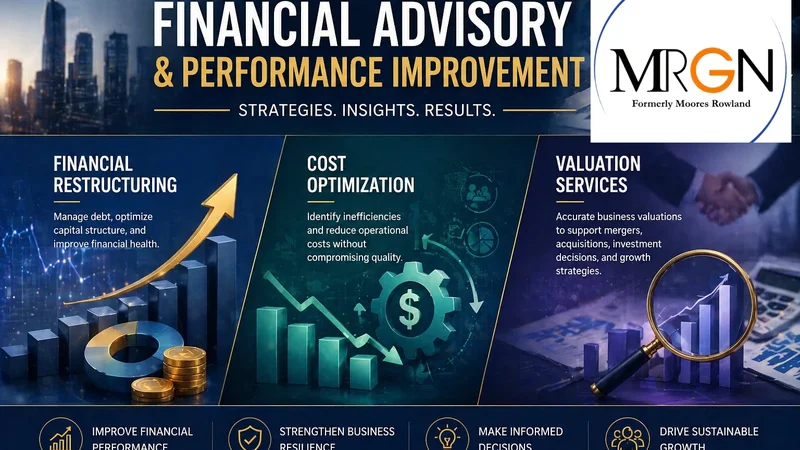
Financial Advisory and Performance Improvement: Driving Sustainable Business Value
In an increasingly competitive and uncertain economic environment, organizations must continuously refine their financial strategies to remain resilient and profitable. Financial advisory and per...
Read more
Leadership and Talent Management in a Competitive Business Landscape
In today’s rapidly changing business environment, organizations are recognizing that sustainable success depends not only on strategy and technology, but on people. Leadership and talent management...
Read more